
Opening a Restaurant, Bar or Café
Much of what decides whether a new venue works is settled before it opens, so BDS plans the concept, site, design, menu, team and launch in the order they depend on each other.
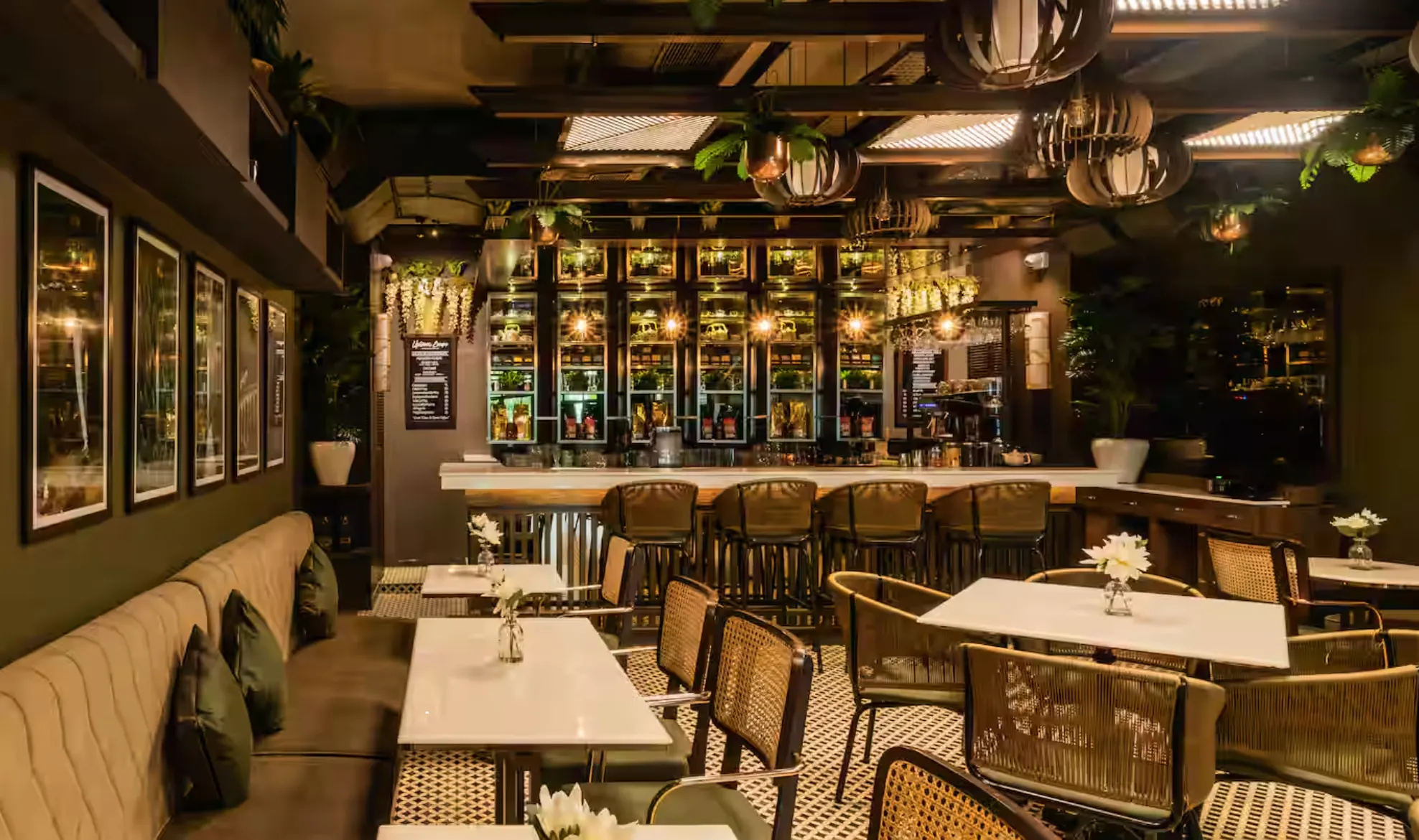
Uptown Escape, Guwahati · a BDS project, 2019
Opening a restaurant, bar or café is a long chain of decisions, and the order matters as much as the decisions themselves. Draw the interior before the menu and the kitchen gets whatever space is left. Sign the lease before testing the site against the concept, and the business may end up paying rent on a building that cannot carry it.
Breakthrough Design Studio is an operator-led hospitality concept, design and development studio in Gurgaon. It can take a new venue from the first commercial question to opening day, or take on the stages a project needs, with each stage tested against the ones before it.
Concept and customer
Every opening starts with the business the owner wants to build: who the venue is for, which occasions it serves, what those guests will spend and how it will earn enough to justify its rent. These answers are written down before a designer draws anything, because they decide the menu, the kitchen, the covers and the service model that follow. At this stage, changing a decision costs a conversation rather than a rebuild.
Site and lease checks
A site can look right and still be wrong for the concept. Before a lease is signed, the site should be checked against the brief:
- Footfall at the hours the concept trades, not only at the busiest time of day.
- Frontage and visibility from the direction guests will arrive.
- Room for the kitchen, bar, storage and back of house the menu needs, not only the dining room.
- Services such as extraction, drainage, power and water, which are expensive or impossible to add later.
- Rent tested against a realistic count of covers and spend, not against the best night of the year.
These checks do not replace legal and technical advice on the lease itself. They make sure the owner knows what the space can do before committing to it.
Design and kitchen
Design starts once the concept, customer and menu are clear enough to plan around. The layout is worked out against covers, kitchen and bar positions, service routes and the occasions the venue serves. The kitchen and its connection to the floor are resolved early, because they are expensive to move once services are in. Technical coordination and execution support then keep the built venue close to the approved design.
Menu, bar and beverage
The menu shapes the kitchen, the equipment, the staffing and the margin, so it is developed with the concept rather than after the fit-out. Food and drink are planned around the price point, prep, kitchen capacity and the team that will cook and pour. For a bar or brewpub, the drinks list, the stations and the storage are planned with the room, not fitted into it afterwards.
Licences in the timeline
Licences and permissions belong in the plan from the start, not in the final weeks. BDS plans the licences with the project, so the opening date takes account of them rather than being set before they are known.
Team and training
Service design follows from the concept, the menu and the layout. BDS sets out the operating systems the venue needs, the staffing structure behind them, and training that explains why each standard exists as well as what it is. Systems are written to be used on a busy Friday by a new team member, not filed in a manual.
Pre-opening and opening
Pre-opening is planned as a sequence, from recruitment and training through trial services to opening day, so the first weeks of trading are not where the team learns the business. Trial services are where a station in the wrong place, or a route that crosses a guest path, shows up while it can still be changed.
The brand, menus, photography and launch plan are ready before the doors open. Opening attention fades quickly, so success is judged by repeat visits rather than opening-week reach.
Not every project needs every stage
Some owners arrive with a concept and need the design and kitchen planned. Others have a site and need the concept. BDS can take the whole sequence or the stages a project needs, and checks the earlier decisions either way, because each stage depends on the one before it. Rish Saini sets out this order in Why a Restaurant Concept Should Come Before the Interior, one of his articles in Insights.
BDS project: Uptown Escape, Guwahati
BDS led Uptown Escape as a full A-to-Z consultancy, from concept development and restaurant design through to the completed venue, which opened in 2019. The starting point was commercial. A café is strongest from breakfast through the afternoon and a cocktail bar after dark, so the two demand curves complement each other. BDS developed one venue to trade both ways: café by day, cocktail bar by night.
Woks & Pans and the Underdoggs venues
BDS also designed Woks & Pans in Gurugram (2018), Rish Saini’s first design project outside Underdoggs. Before and alongside it, Rish designed five Underdoggs venues: Ludhiana, Jalandhar and Amritsar, then Aerocity and Cyber Hub in 2018–2019.
Rish is Founder & Director of Underdoggs, founded in 2011, and designed those venues for a brand he helps run, so he has lived with his design decisions long after opening. That is where the order on this page comes from.
To talk through a new restaurant, bar or café, start a conversation with BDS or call +91 98187 00006.
Frequently asked questions
When should we bring BDS into a new restaurant project?
Before the lease is signed if possible, and before the interior is drawn. At that stage a change costs a conversation rather than a rebuild. If drawings already exist, they can still be checked against the concept, the menu and the covers before work starts on site.
Can BDS help us choose a site?
Where feasibility is part of the project’s scope, a shortlisted site is tested against the concept: footfall at the hours the venue will trade, room for the kitchen and bar, services, and rent against realistic covers and spend. Legal checks on the lease and structural checks on the building stay with the owner’s own lawyers and engineers.
Does BDS handle licences?
BDS plans the licences with the project from the start, so the opening date takes account of them rather than being set before they are known.
How long does it take to open a restaurant?
It depends on the condition of the site, the scale of the fit-out, the licences the format needs and how settled the concept is at the start. A dated plan can only be drawn up once the site and the scope are known, with licences, recruitment and training on it alongside the build.
Does BDS only take on full projects?
No. Some owners need the whole sequence; others need the concept and design, or operations and pre-opening for a venue that is already built. Not every project needs every stage.
Does BDS work outside Gurgaon?
Yes. BDS is based in Gurgaon and works across India. Uptown Escape, for example, is in Guwahati.
Three starting points
Opening a new venue is one of three starting points.
Renovating or repositioning
An established venue that needs a new room, a new position or both, starting with diagnosis.
Improving how a venue trades
A venue that is open but not trading as it should: the numbers first, then the menu, bar, room and service.
Building or transforming a hospitality business?
Whether starting with an idea, repositioning an existing restaurant or developing a scalable hospitality brand, begin with the business you want to build.
Or call +91 98187 00006